
In January 2022, Advanced RV founder Mike Neundorfer was driving an ARV from Cleveland to Florida and considering a major change to the business: moving from a five-day, 40-hour work week to four days and 32 hours, without reducing pay.
ARV had committed to join a six-month international pilot beginning that April, conducted with Boston College and University College Dublin. ARV was the only custom manufacturer in the pilot.
The challenge was to complete the same amount of work in 20 percent fewer hours, without compromising quality or client support. Mike estimated the chance of success at about 50 percent.
Four years later, Advanced RV still operates on a four-day, 32-hour work week while paying staff for 40 hours, and we remain committed to continuing it.
A Good Fit, But with Unique Challenges
Several characteristics made ARV well-suited to the experiment.
We are a small company with fewer than 50 staff members, all salaried. Our organizational structure is flat and open. Staff members work closely across disciplines, and there is a high level of trust and collaboration throughout the company. Ownership and leadership are unified at ARV, allowing major decisions to be made openly and quickly.
Those characteristics gave us a good foundation for asking the team to consider how work was organized and how the time was being used.
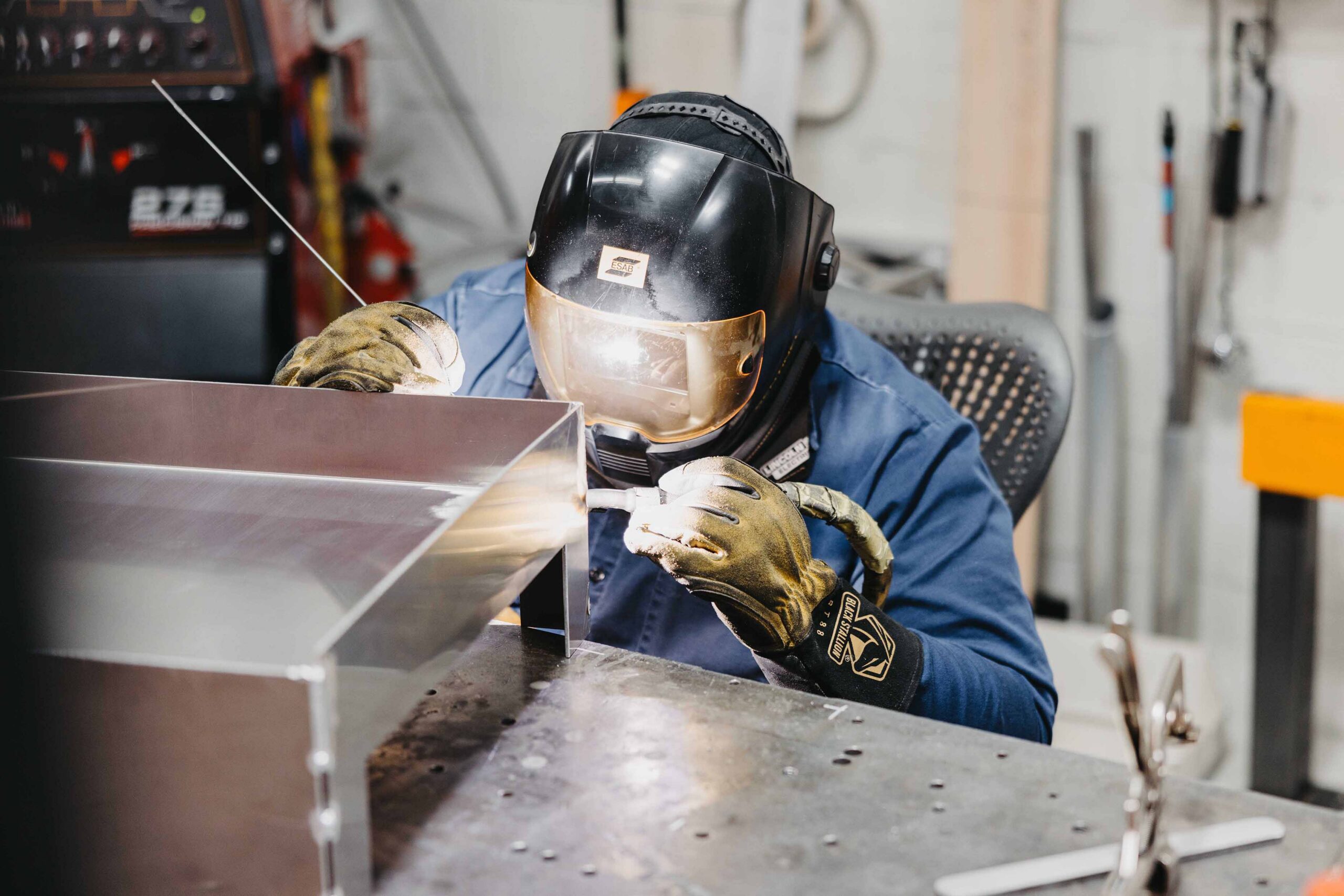
However, every ARV motorhome is custom, so the design, engineering, fabrication, and production requirements vary from project to project. Establishing and tracking productivity is therefore more difficult than it is in repetitive manufacturing.
Changing conditions in the RV market have made year-to-year comparisons even less clear. For that reason, we entered the pilot with four concrete objectives:
- Client support would not be compromised.
Advanced RV would remain staffed five days a week. Staff would work either Monday through Thursday or Tuesday through Friday. Personal technical support for clients would remain available seven days a week. - The reduction in available work time would be offset through improved efficiency.
We would improve work processes, meetings, documentation and communication rather than rely on overtime to make up the difference. - Product quality would continue to improve
- Staff quality of life would improve
Organizational Transformation
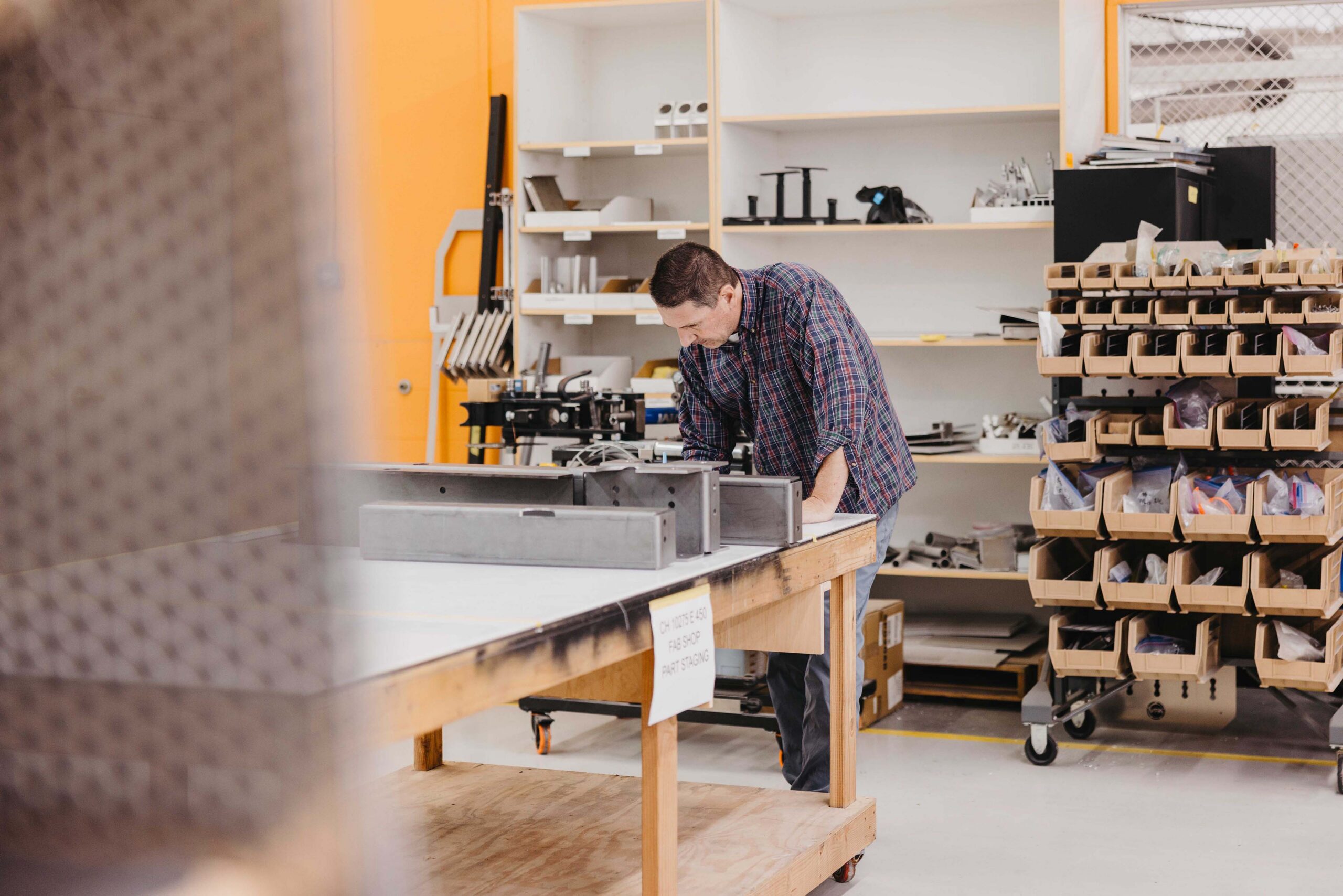
The 32-hour schedule has required more deliberate work. Meetings are less frequent and have clearer objectives and agendas. Production and design processes have improved. Documentation and scheduling systems have become more capable.
ARV’s internal Configurator Tool, which captures the thousands of design decisions for each custom motorhome, has developed substantially during the four-day week era. We have also been applying AI selectively to production processes, internal communication and documentation where it can reduce repetitive work and improve access to information.
We have also maintained five-day coverage for clients through staggered staff schedules, while personal technical support remains available seven days a week.
We did not fully offset the reduction in hours during the original six-month trial, but quality scores continued to improve, and client feedback on service remained positive.
When Mike announced that the trial would continue another three months, the team responded with spontaneous applause.
More Time for Life Outside Work
We continue the four-day week because it improves the quality of our lives.
We often use the extra day for ordinary things: appointments, errands, household projects that would otherwise take time from evenings and weekends.
We also use the time for our passions and commitments to friends and family.
Koan practices blacksmithing. Ben gives piano lessons. Steve volunteers and cooks for his church. Elissa attends yoga school and makes jewelry. Travis draws portraits. Ian cooks with the harvests from his garden.
Frank and his wife Sandy aligned their Fridays off work. They made a rule that Friday would be for enjoyable activities together. They bicycle, brew beer, and make maple syrup together.
The extra day gives staff more time for family, hobbies, travel, recreational work, personal projects, and life.
Four Years Later
Production efficiency remains difficult to measure precisely. The work varies from build to build, and changing conditions in the RV market make year-to-year comparisons less useful.
Over the past several years, ARV profitability has declined along with the broader RV market. That has reduced shareholder returns and staff profit-sharing. We do not view the four-day week as a solution to every business problem.
We have continued it because staff quality of life has improved, product quality continues to improve, clients remain supported, and the 32-hour schedule continues to push us to improve the way we work.
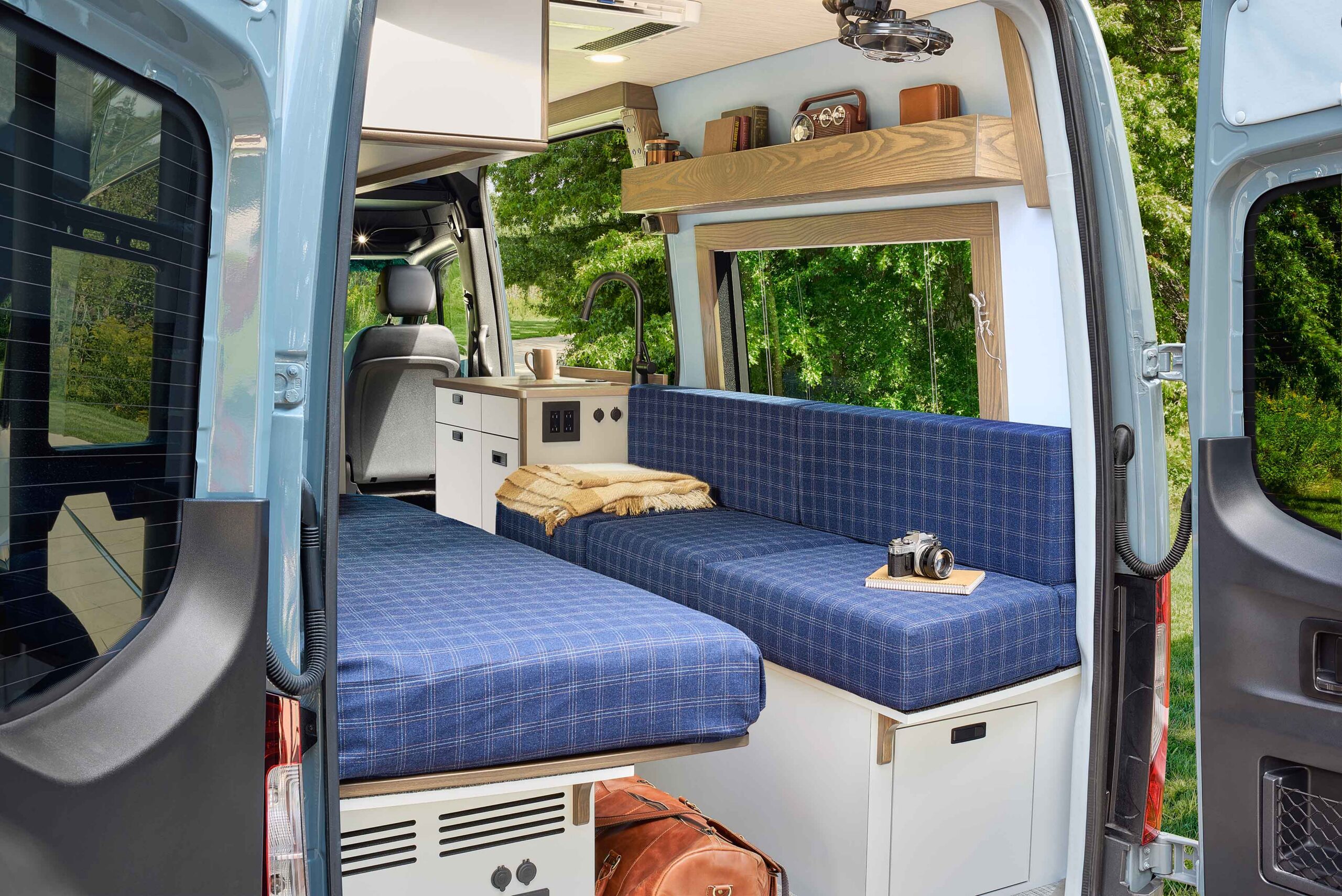
Advanced has now built almost 200 custom motorhomes. Our staff still work 32 hours over four days while being paid for 40.
Four years after the original pilot, we remain committed to continuing the four-day week.


